
When we think of the 1970s, we often picture the rise of the women’s liberation movement or the growing recognition of racial inequality and discrimination in the UK.
But this decade was also a landmark era for disability rights, especially for children and young people. It was a time when political and social campaigns began to dismantle barriers and lay the foundations for a more inclusive society.
These changes didn’t happen overnight, and they certainly didn’t happen without the determination of disabled campaigners and their allies, some of whom had lived experience of disability in their families and loved ones.
To mark Disability History Month we celebrate five individuals whose work helped transform life for disabled people in the UK. We could’ve mentioned many more, so we would like to dedicate this article to the campaigners, too numerous to mention, who inspired these people to take action.
You can explore the social history of the UK, and the response of the National Children’s Bureau over more than six decades, in our interactive timeline.
Alf Morris: the world’s first Minister for Disabled People
Baron Alf Morris was a trailblazer. In 1970, he helped introduce the Chronically Sick and Disabled Persons Act (CSDPA), the first legislation of its kind anywhere in the world. This Act made local authorities responsible for providing essential services such as:
- Home adaptations and assistance
- Accessible housing
- Transport support
- Access to recreational facilities
- Communication aids like telephones
It also required public buildings to be accessible, including the provision of toilets, a huge step toward inclusion.
Morris’ passion was deeply personal. His father, a First World War veteran, lost an eye and a leg and was gassed during service. After his father’s death, Morris’ mother was denied a war widow’s pension, a wrong he later helped to right through changes to armed forces pension law.
Just months after the CSDPA, the Education (Handicapped Children) Act 1970 was passed, giving local authorities responsibility for educating all children. This ended the outdated notions that some children were “unsuitable for education” marking a major shift in attitudes.
Paul Hunt: architect of the social model of disability
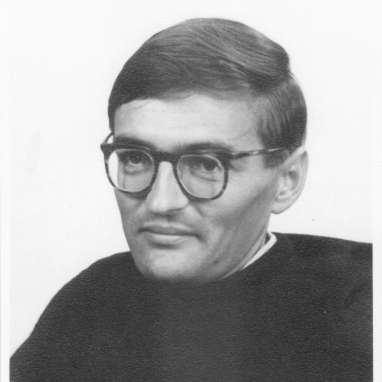
Paul Hunt was a writer and activist who believed disabled people needed a stronger, more militant voice. In 1972, he helped form the Union of the Physically Impaired Against Segregation (UPIAS), a group that challenged the idea that disability was an individual problem.
UPIAS introduced the social model of disability, which argues that people are disabled by societal barriers, not by their impairments. This radical idea reshaped policy and practice for decades to come and inspired the creation of organisations like:
- Greater Manchester Coalition of Disabled People
- British Council of Organisations of Disabled People
- National Centre for Independent Living
These groups paved the way for today’s disability rights movement and organisations such as Disability Rights UK.
Dame Eileen Younghusband and the Council for Disabled Children
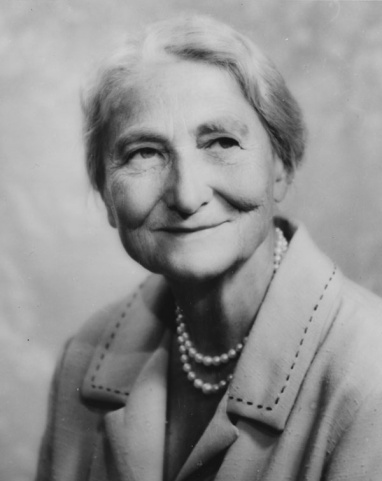
Amid these changes, sector leaders founded the Council for Disabled Children in 1974 (known as the Voluntary Council for Handicapped Children until 1992). This was partly in response to one of the recommendations of the 1970 report Living with Handicap co-written by eminent social work expert and NCB board member Dame Eileen Younghusband.
With her co-authors, Eileen Younghusband wanted to create an independent resource and information centre for professionals and parents concerned with all aspects of disability.
Providing a collective voice to champion the rights of children, young people, and their families, CDC continues to challenge barriers to inclusion and provides a national forum for the discussion, development and dissemination of policy and practice that seeks to ensure disabled children and young people and those with special educational needs have full and happy childhoods, fulfil their potential, and are active within the community. And that parents of disabled children are able to be parents first - living ordinary lives.
This work was just one of many that Eileen Younghusband contributed to. Earlier in her career, she played a pivotal role in shaping professional social work training in the UK.
Building on the work of Judy Fryd and Mencap
The foundation of the Council for Disabled Children could not have happened without the earlier work of Judy Fryd.
Born in 1909, she became a pioneering advocate for people with learning disabilities after her own experiences as a mother. When her eldest daughter, Felicity, showed signs of developmental delay, Judy was frustrated by a system where support was difficult to access, and prejudice was rife.
In 1946, she wrote to Nursery World magazine, inviting other parents in similar situations to contact her. The overwhelming response - over 1,000 letters - led to the formation of the Association of Parents of Backward Children, which later evolved into Mencap.
Judy’s determination transformed personal hardship into a national movement, giving families a voice and laying the foundation for systemic change.
Jack Ashley: champion for deaf and disabled people

Jack Ashley became profoundly deaf in 1967, just one year into his parliamentary career. Rather than stepping back, he became a powerful advocate for disability rights over the next 25 years.
Ashley fought for compensation for families affected by thalidomide and for victims of drug-related harm. He also contributed to live captioning on television, a breakthrough that began when he shared how he used stenographic transcripts to follow debates with the BBC’s Ceefax team who recognised the opportunity to innovate and develop live subtitling.
Why this matters today
The progress made before and during the 1970s reminds us that change is possible when people come together to challenge injustice.
As we mark Disability History Month, we celebrate the pioneers who fought for equity and inclusion, and recommit to building a society where every child and young person can thrive, for life.